From the Dells to Deutschland
This was my first time across the pond!
For some reason, I always make things more scary and harder in my mind. I thought it would be a huge monumental thing and difficult to get here. I’ll admit I was a little underwhelmed by how seemingly easy it was, just because I imagined things to be much harder in my mind. I suppose many others think the same way.
On the way, I kept forgetting that I was in Europe, especially when I was in the airports. Once you’ve been to a few airports in America, you pretty much get the gist of how things work in European airports, too. It sure makes traveling a lot less intimidating. I was sitting in the Paris airport and looking at the nice green hills. When the plane took off from Paris to Berlin I saw some nice towns and farm fields and churches, when it hit me that these were French towns and fields and churches! I was in Europe now!
The tricky part came when I landed in Berlin and had to find my host family since they could not come and pick me up. The train system was very intimidating, and I was operating off one hour of sleep, but I somehow I was able to get on the right train and made it to their house. My living situation is very nice, since I want to practice my German and I am living in my host family’s basement with a Polish lady who can only speak German and Polish, so I am getting lots of German practice!
I also am seeing many cool sights, which was one of my personal goals. (The German word for tourist attraction literally means, “place worthy of seeing”) I had a few free days before orientation started to I went and saw the Brandenburg Gate and the Reichstag, I also walked the entirety of Park Sanssouci the next day! For reference, that’s about the size of Central Park in NYC. I apologize, I am not the best at taking pictures but I also want to get better at that while I am abroad!
Something I that truly surprised me was the amount of time spent on trains. In the small community of the Wisconsin Dells area, there isn’t much in the way of public transportation. Now I spend around two hours a day on trains! After being here for a week and a half, trains aren’t so scary anymore, and I would rather sit on a train for an hour than drive an hour to go to school everyday.
Here are some photos of the places I saw, there should be more coming!
A Piece of My Heart in Greece
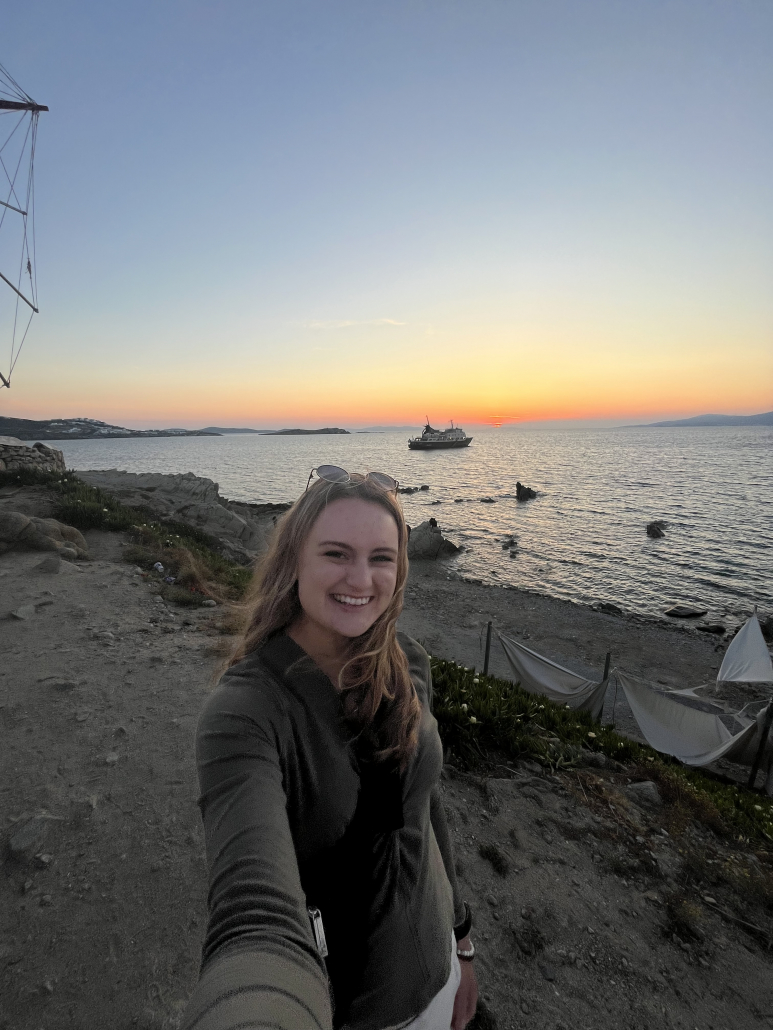
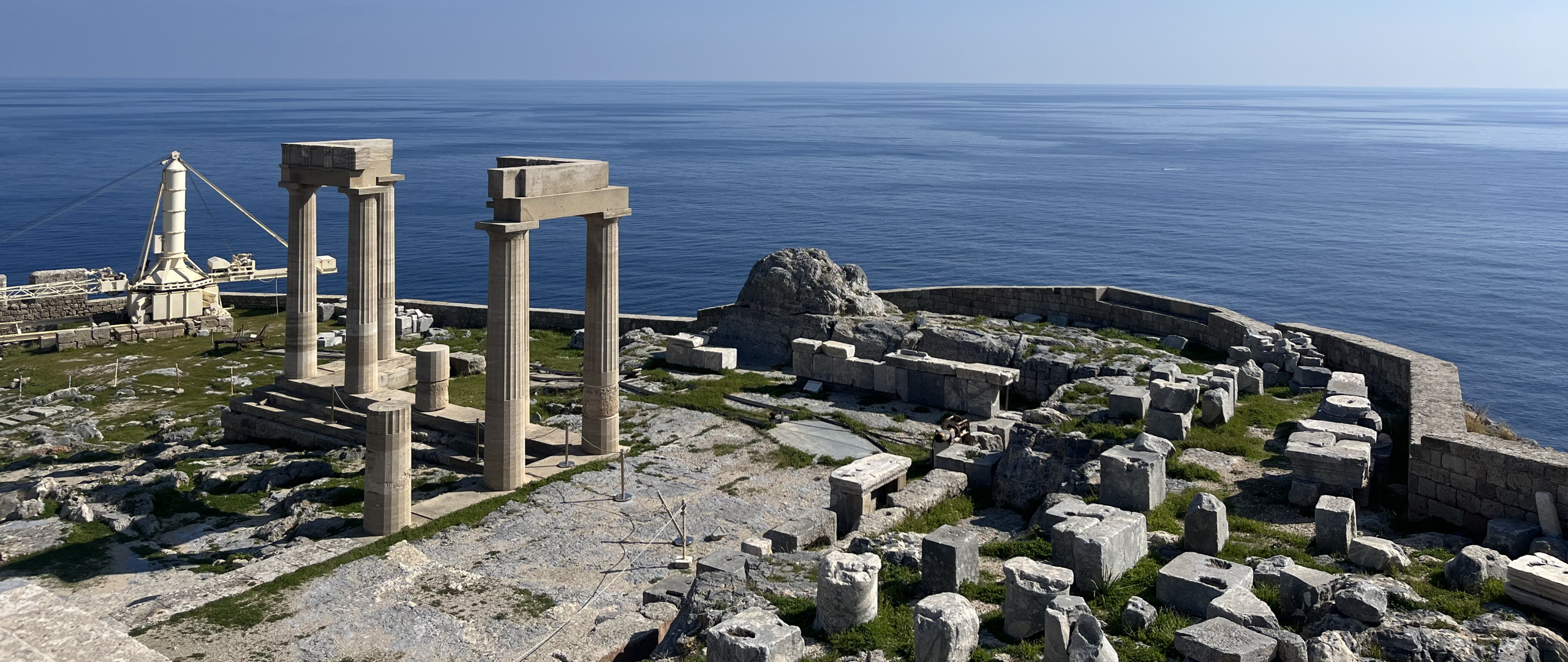
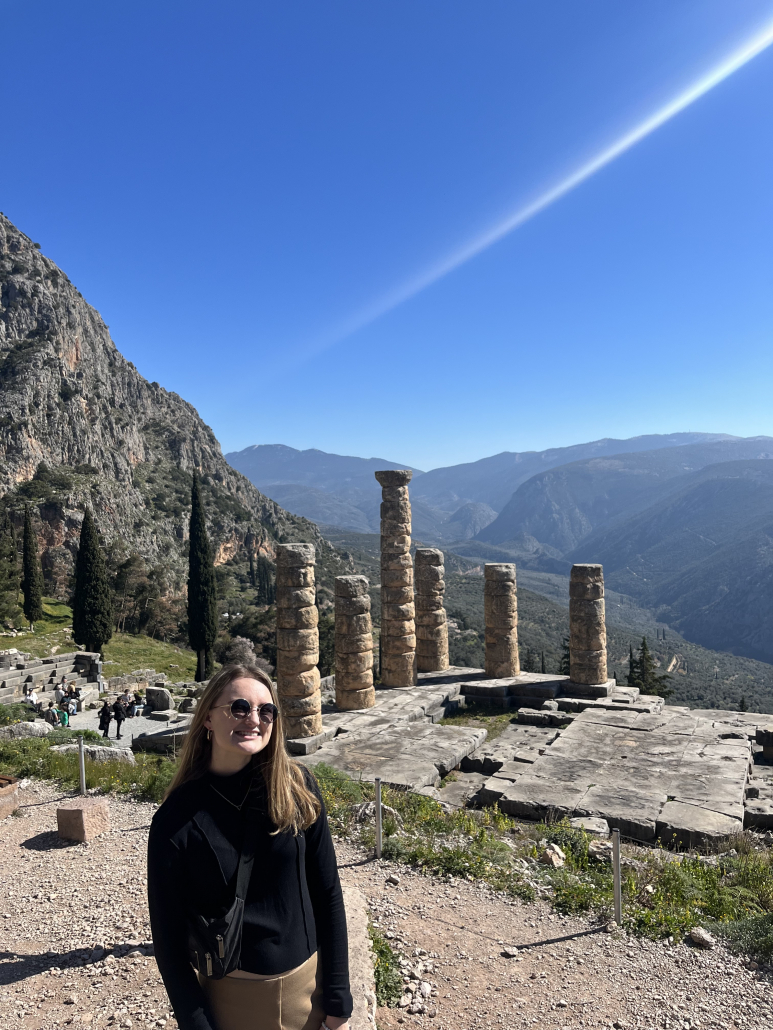
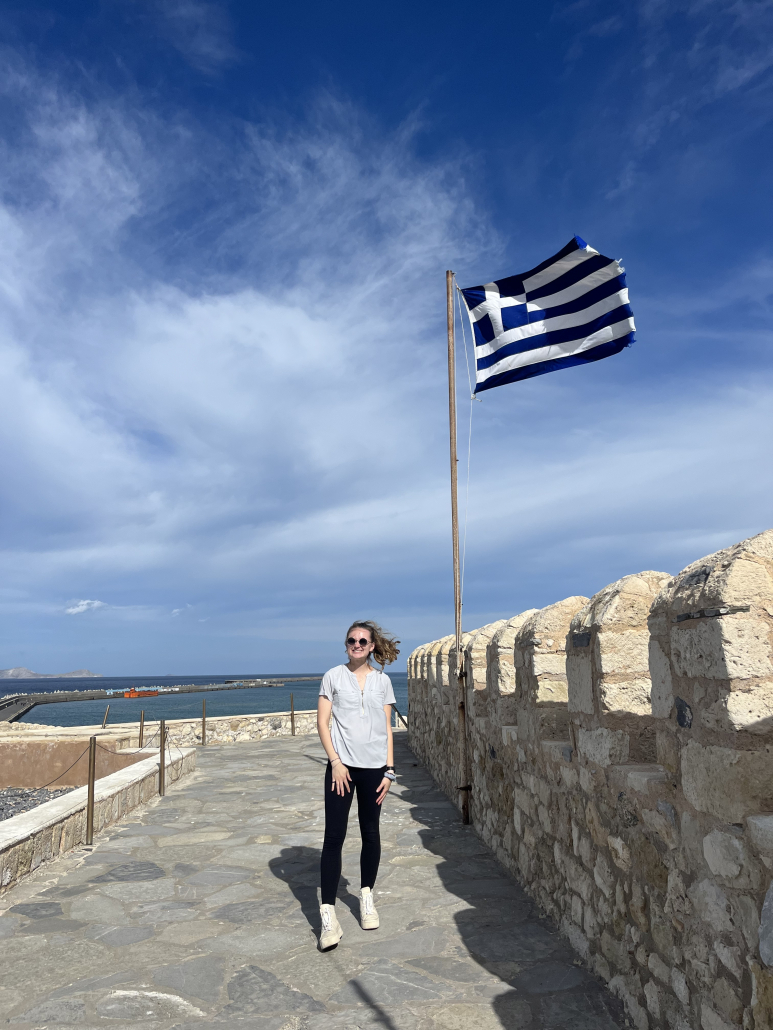
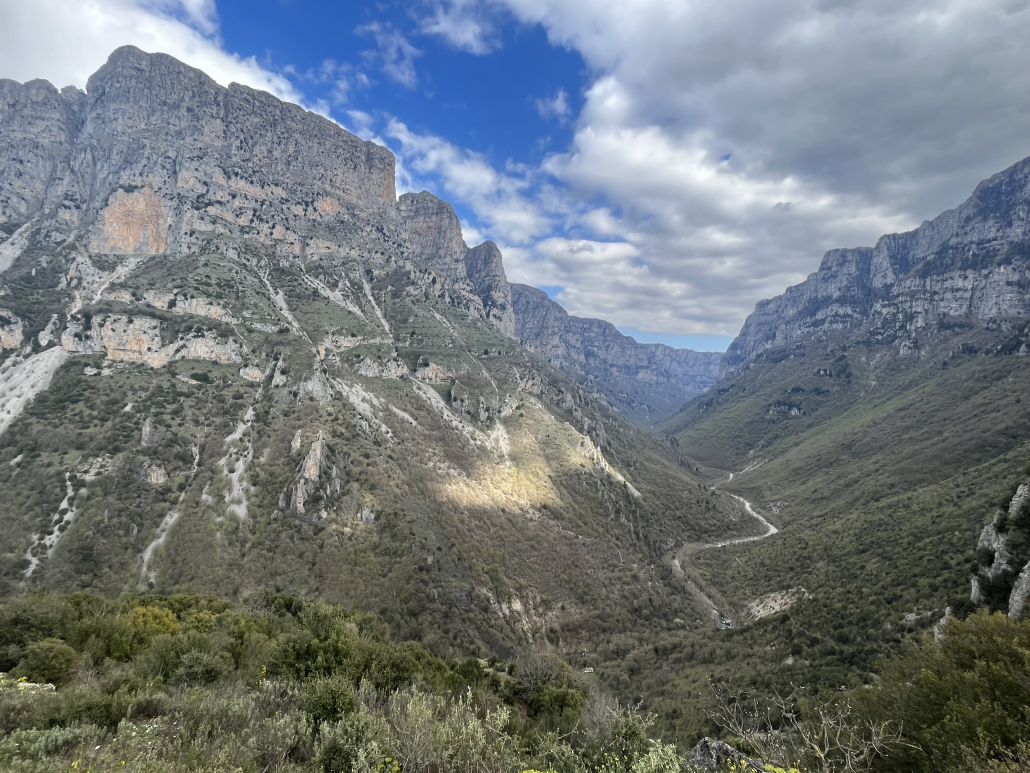
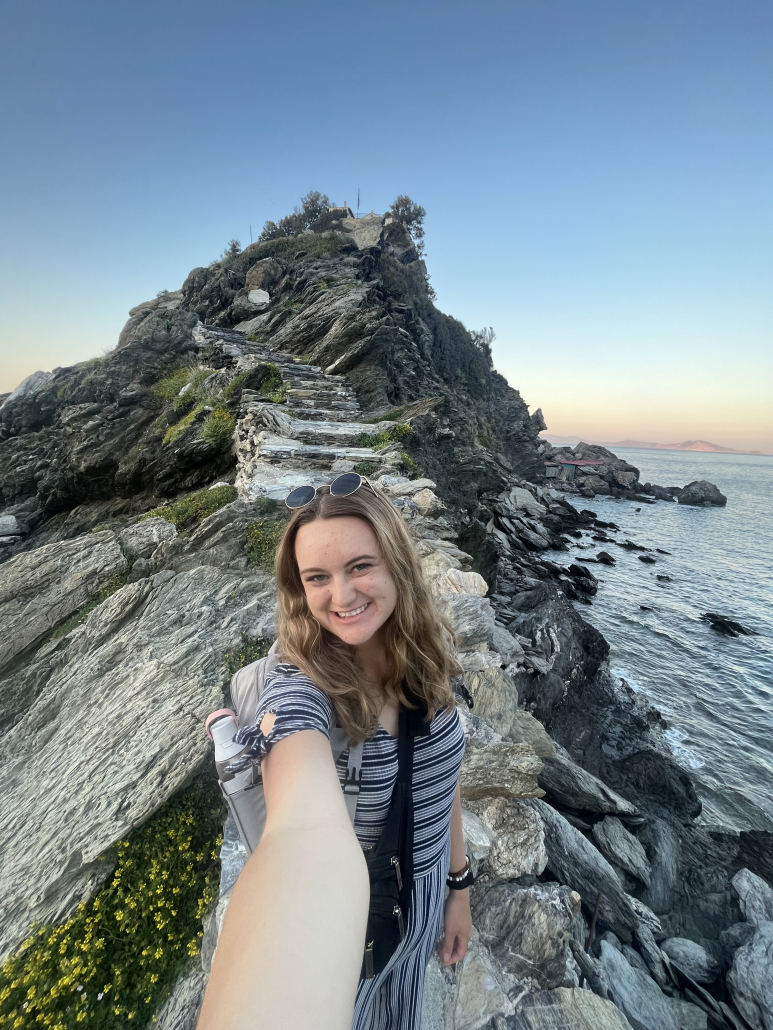
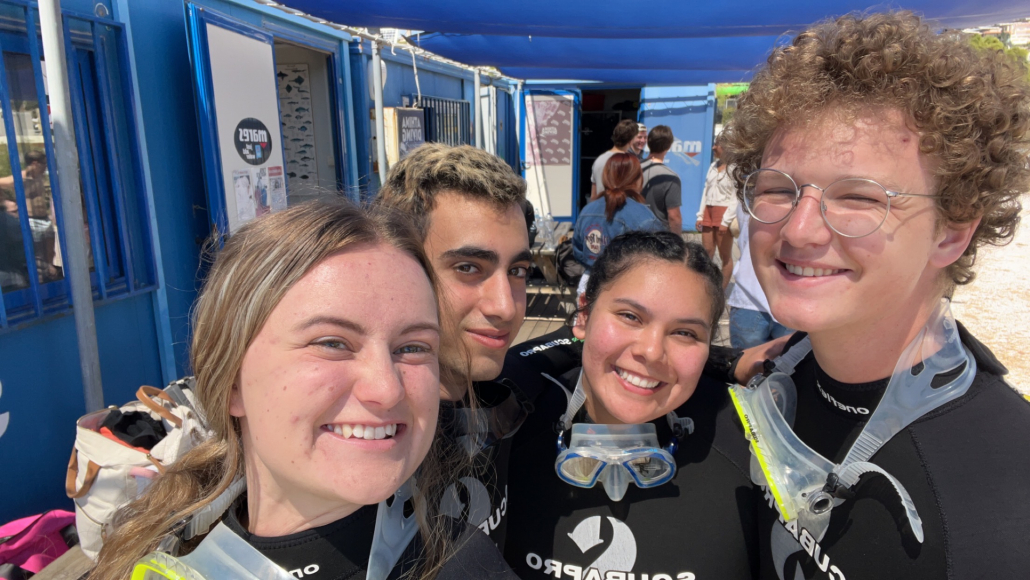
My Greek adventure is wrapping up quickly, and in a few short days, I’ll be back home in Wisconsin. In my last moments, I am soaking up the Greek sun, studying for my final exams, enjoying quality time with people who have become good friends, and visiting all my favorite places for the last time. Furthermore, it is the perfect time to reflect on my entire experience in my last blog.
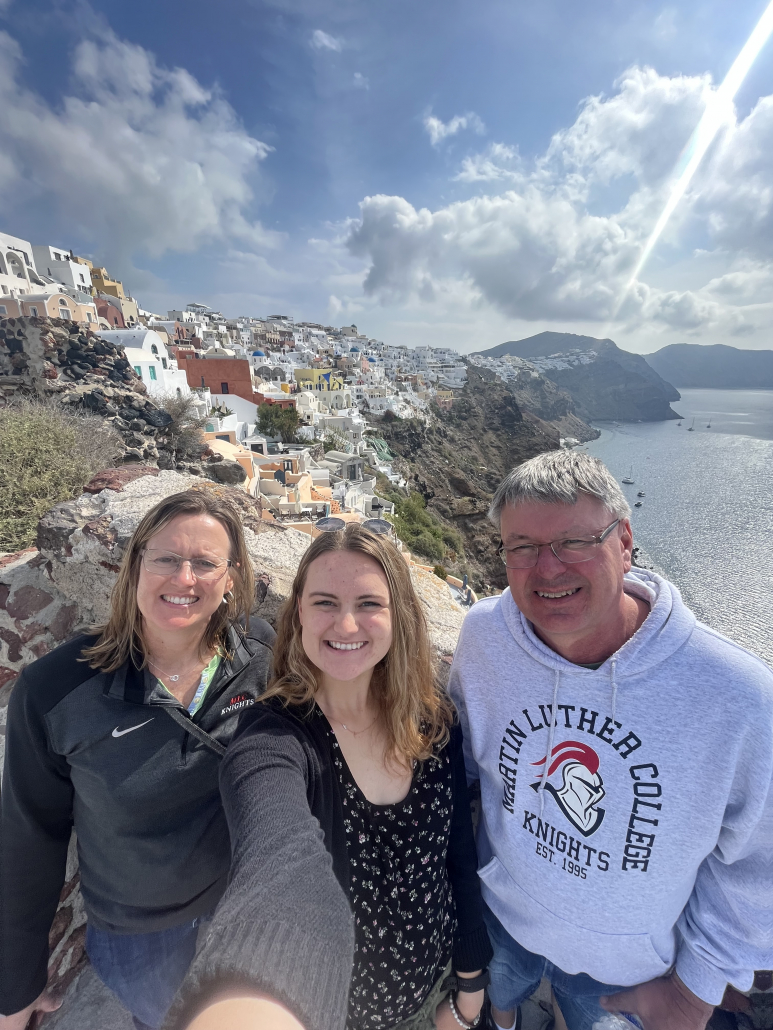
As I look back on the last four months, I realize I have grown tremendously during this study abroad experience. I am most proud of overcoming my worries, fears, and anxieties of living in a different country halfway around the world by myself. One of the goals I created before leaving for Greece was to develop self-confidence and independence. I truly believe I have accomplished this goal by being intentional about going out of my comfort zone. Almost every day, I experienced something new. I learned how to navigate the little and big things of living in Athens, like public transportation, the language barrier, shopping, restaurant/cafe culture, Greek holidays, and school. I successfully traveled to places in Greece independently. I had challenging conversations with people about God, which has helped me become more confident in sharing my faith with others. When I showed my family around Athens and other parts of Greece a couple of weeks ago, I realized how much I have grown personally and how the city and the culture have become a part of my own.
Becoming more independent and confident has come with developing new habits and mindsets during this experience that I would like to continue in my life in the U.S. Some daily living routines I have really enjoyed in Greece are cooking, yoga, and journaling. I have been more intentional with my time here, but at the same time, not worrying about time at all. Prioritizing my time with what’s important has helped me slow down and be fully present. One of those priorities is spending quality time with people. Additionally, when I return to the U.S., I want to keep experiencing new things and traveling. There are so many places to visit, new things to try, and people to meet at home and in our country. I’ve realized from talking with people abroad how little of the U.S. I have actually experienced. I have the travel bug now, and I don’t think I’ll ever lose it. Most of all, I have developed the habit of being in God’s Word and prayer during my morning breakfast, which I have not been very consistent with before studying abroad. Starting my day with God has made all the difference.
Overall, I am very satisfied with my experience, but there are a couple of things I wish I did differently or did more of. One is developing friendships with more Greek people. I met many Greeks at ACG, in the community, and while traveling. I had many meaningful conversations where I learned much about Greece and other worldly perspectives. However, I became good friends with just one, Athina, a student in one of my classes, whom I wrote about in a previous blog. I wish I had stayed connected with more of the Greeks I met at church in Agia Paraskevi. Also, it would have been beneficial to put more effort into learning Greek phrases before arriving. Since most Greeks know at least a little English, it was easy not to take advantage of the opportunity to communicate with the little Greek I do know.
Studying abroad is an experience that I highly recommend students consider. By planning ahead and being intentional, an individual can grow tremendously and make the most out of new experiences. I thought about studying abroad in Greece in high school, but I seriously looked into the possibility during my freshman year at MLC. Mrs. Kassuelke guided me through helpful ISA resources and all that must be considered to study abroad. I moved around my program plan at MLC to save the courses that would transfer from the college in Athens to MLC for a semester abroad. I also intentionally saved money for studying abroad early. Being intentional is one of my biggest pieces of advice while being in the study abroad semester. If you live and study in a different country without being intentional, you will gain little growth. If you feed yourself with God’s Word, set goals, increase your knowledge about the culture and country, put yourself out of your comfort zone, and reflect on your experiences, you will gain much more.
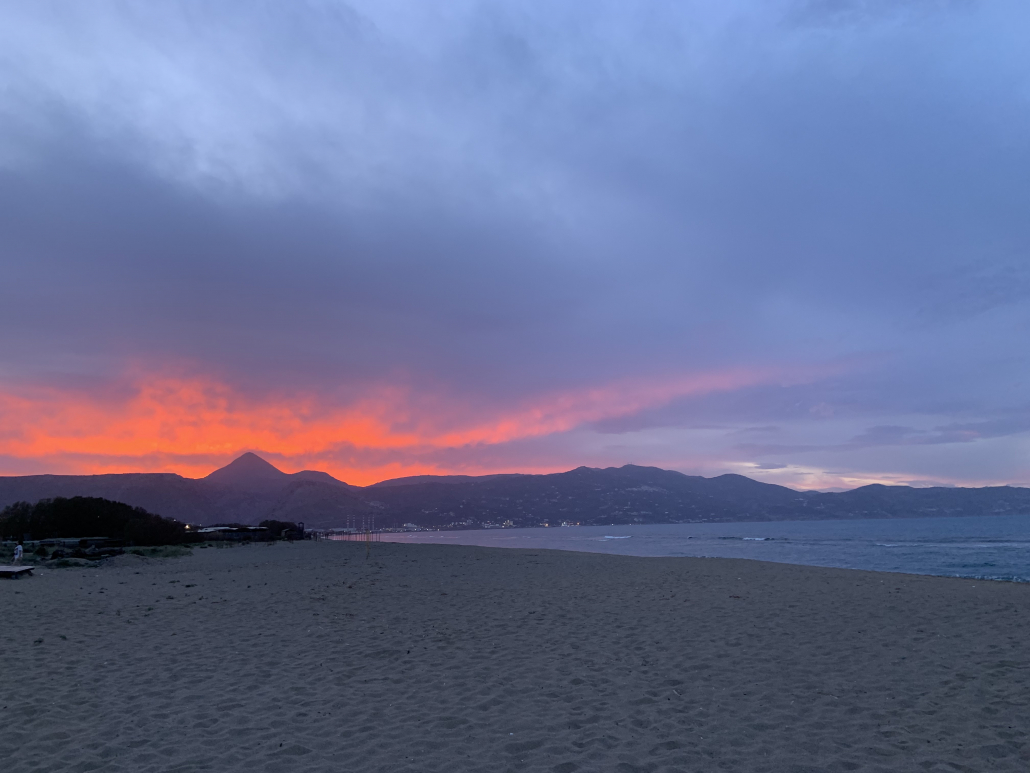
Even though I came to Greece alone, I was never alone. There is nothing like studying abroad to make you realize God’s omnipresence. He’s in the incredibly kind Greek who helped me, an utterly lost foreigner, find my way when they could have pushed me away. He’s in the successful and safe traveling to new places throughout the semester. He’s in the breathtaking sunsets emerging from the mountains I look at daily from my apartment’s balcony. He’s in the study abroad students I met at the beginning of the semester who wanted to start a weekly Bible study together. He’s in the Christians I met at a church who love and serve Him, and sing familiar hymns in Greek, which make me tear up a little. He’s in the family and friends from home who check in on me and point me toward Him when I feel homesick and lonely. God’s hand was evident as he provided and remained in control of all things.
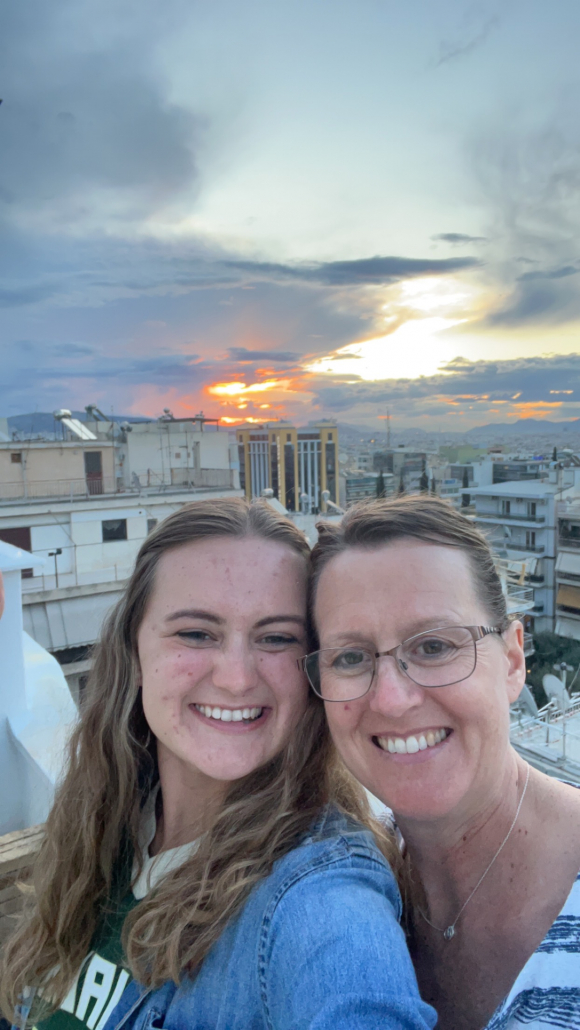
I can’t count the number of times I have said, “God is so good” this semester. Even in the lowest times, God comforted me with his abiding love and eternal promises. The day before I flew to Greece, I was told my mom had been diagnosed with cancer. That night was an emotional and spiritual battle for me. I had no desire to study abroad anymore. Thankfully, my mom found out a few days later that it was stage one cancer. She still had a long journey of appointments, surgery, and treatments ahead after that. God’s unfathomable timing was evident again as my mom was able to visit me in Greece a few weeks ago because her treatment finished about a week before traveling. Hugging my mom felt like the best feeling in the world. God is so good. He listens to my prayers. Even though I may not understand, His thoughts and ways are always higher than mine.
It is now time to say goodbye to the country, culture, and people I have grown to love. Greece will always have a piece of my heart, and I know that someday I will come back to visit it. As for now, I pray the impact of this study abroad experience will continue to positively influence my life forever. Thank you, God, for the tremendous blessings you have given me!
And thank you for taking the time to read my blogs! I pray you enjoyed reading them as much as I have enjoyed writing them.
God’s blessings to you always!
Morgan
Morgan’s Top 3 Travel Tips for Study Abroad
Before starting my study abroad adventure, I knew I would learn so much about Greek culture while living in Greece for four months. However, there’s another type of culture I didn’t quite expect to be so apparent: the American study abroad culture. I live with eight American girls in one apartment. I was first introduced to about thirty other American students who are also part of my ISA program. Gradually, I’ve been connecting with some of the two hundred other American students who attend my college, ACG. Being continuously surrounded by other Americans is a blessing. It has helped me reflect on experiences with others feeling the same way I am. Also, it is a source of comfort when I feel a bit homesick. For example, a Bible study group I formed with other American study abroad students has helped me with feelings of missing MLC and, relative to now, Holy Week at my home congregation.
One aspect of American study abroad culture I learned quickly was that everyone has their own agenda and priorities for their time here, especially when traveling. Some of my roommates have had trips to other countries booked for upcoming weekends before arriving in Greece. Some other Americans I met had quickly found their group of people to travel with and started planning. I initially felt very stressed about this. My FOMO (Fear Of Missing Out) was overwhelming me. I didn’t want to miss out on traveling around Greece and Europe and experiencing as much as possible because I had no connections with people. I had my own destinations in mind, but it felt so difficult to coordinate class schedules, budgeting, timing, etc., with people I felt comfortable traveling with. Over time, I was able to work through the initial struggles and mistakes I made when planning my travels and form some realizations that might be helpful for a future study abroad student.
Morgan’s Top 3 Travel Tips for Study Abroad
- Plan Ahead, but Be Flexible
Once I figured out which weekends I had open for travel, planning trips at least a month ahead worked out the best. However, traveling on a student budget calls for some extreme flexibility. It may be worth taking a bus or train (or, in Greece, a ferry to the islands) rather than a flight, even though it takes longer to get there. Depending on where you are going and how much you want to do, I found two whole days (typically Saturday to Sunday) to be enough time to explore a destination. It’s helpful to make a rough itinerary for your trip and pin all the places you want to go in Google Maps. Also, hostels are the way to go for basically just a bed and shower. However, if you’re traveling with a bigger group, splitting the cost of an Airbnb might be even cheaper. Regarding traveling with people, it is nice to find those with the same travel style as you. For example, I love to pack everything in and see as much as possible, but others are okay with not seeing everything and would instead do more relaxing. No matter who you are traveling with, there are times when you may need to compromise. It is good to be open-minded.
- Prioritize the “Free” Excursions
The included excursions and trips are an incredible blessing in my ISA and ACG’s study abroad programs. This is probably different in other countries, but this tip is relevant since many MLC students study abroad with ISA. I visited many of Athens’s main touristy sights and activities with ISA. They bought my group’s tickets, traveling accommodations, sometimes meals, etc., and organized the whole itinerary. Also, ISA invites their students to participate in volunteer opportunities where they can learn so much about the people and culture. ACG also organizes day trips to popular places outside Athens. They hire tour guides who share much knowledge about these cities and take us to authentic restaurants the locals love. I was surprised how many study abroad students didn’t take advantage of these trips. They are so easy to plan around because they let us know the dates before arriving in Greece. If your program has included excursions, I highly recommend doing them!
- Remember: It is YOUR Adventure
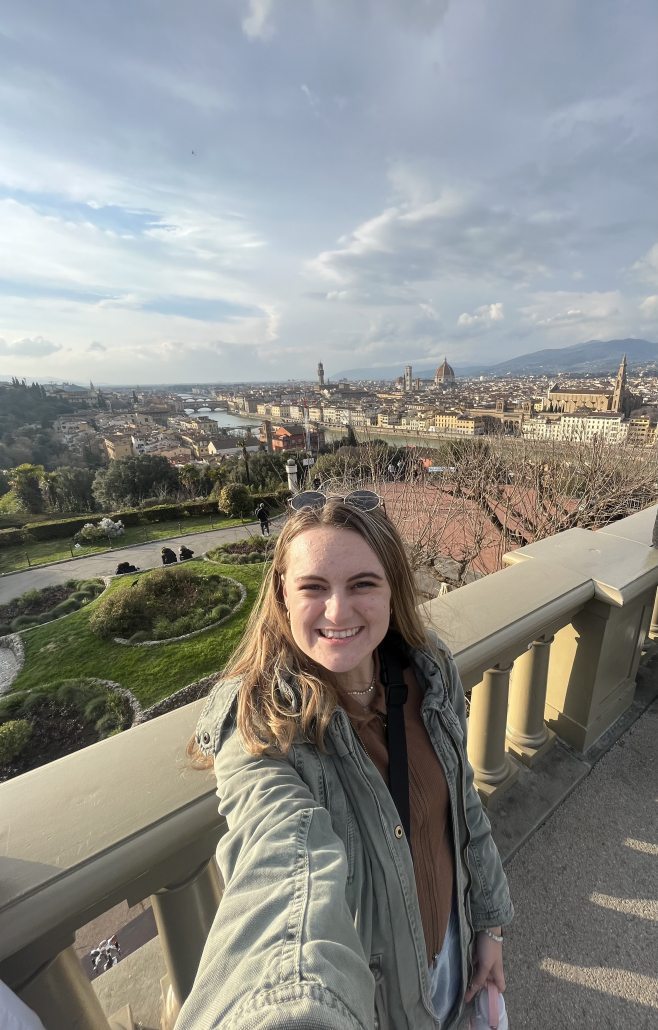
I previously mentioned my FOMO when first thinking about traveling here. I think this stemmed from comparing my study abroad experience with the experience of people around me. I initially felt I was planning wrong because I wasn’t traveling to a different country every weekend. However, when I realized my goals for traveling and felt confident in them, these feelings faded. I planned two short trips out of Greece, Florence, Italy, and London, U.K, and the rest of my traveling was to cities and islands in Greece. I feel satisfied with this because I want to experience the most of Greece I can while living here, which is what my budget allows. Also, traveling more than you ever have in your life in a short time is tiring. You need time to rest. You don’t have to travel every weekend. You also don’t have to do what everyone else is doing! Remember your own priorities and values.
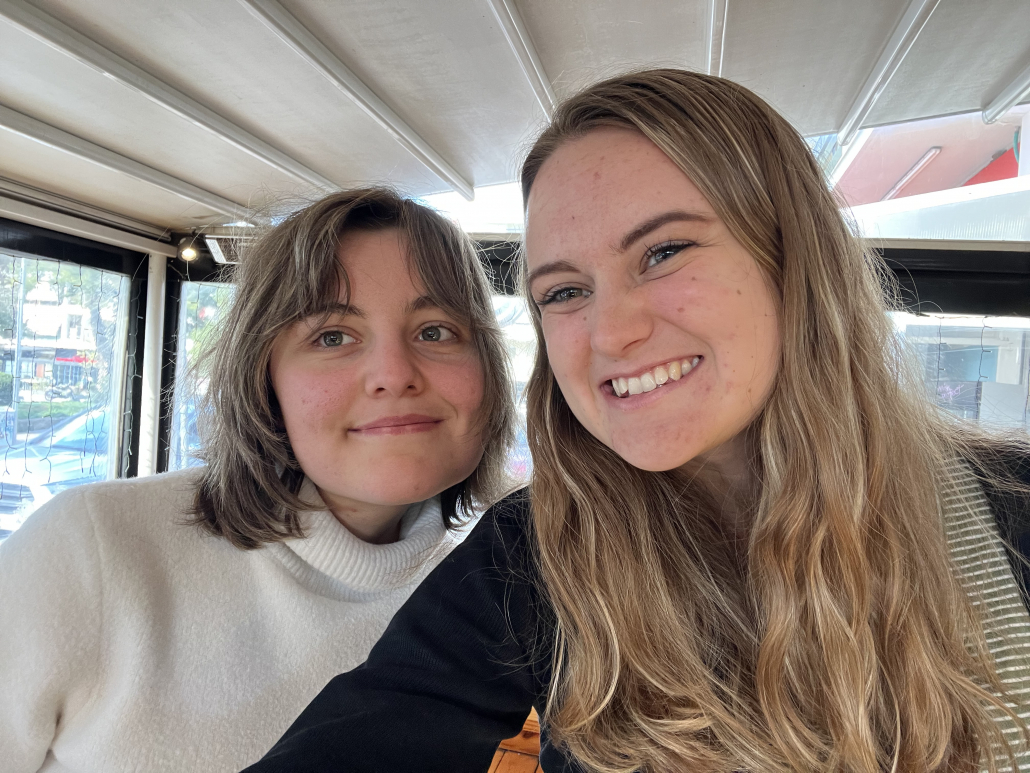
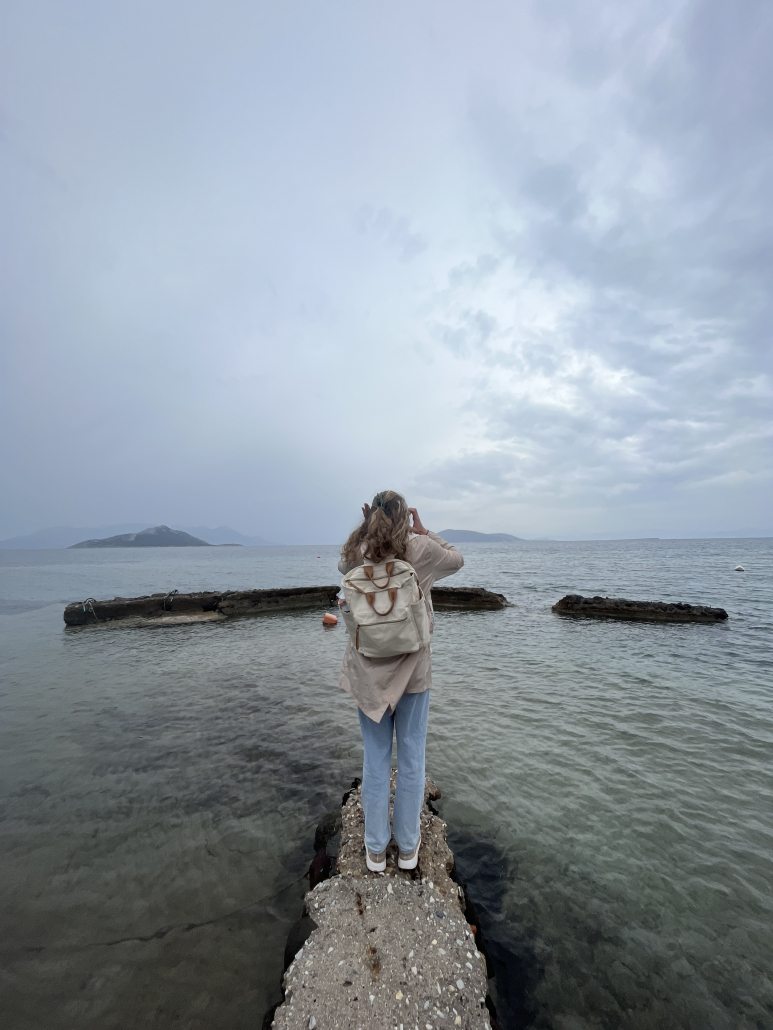
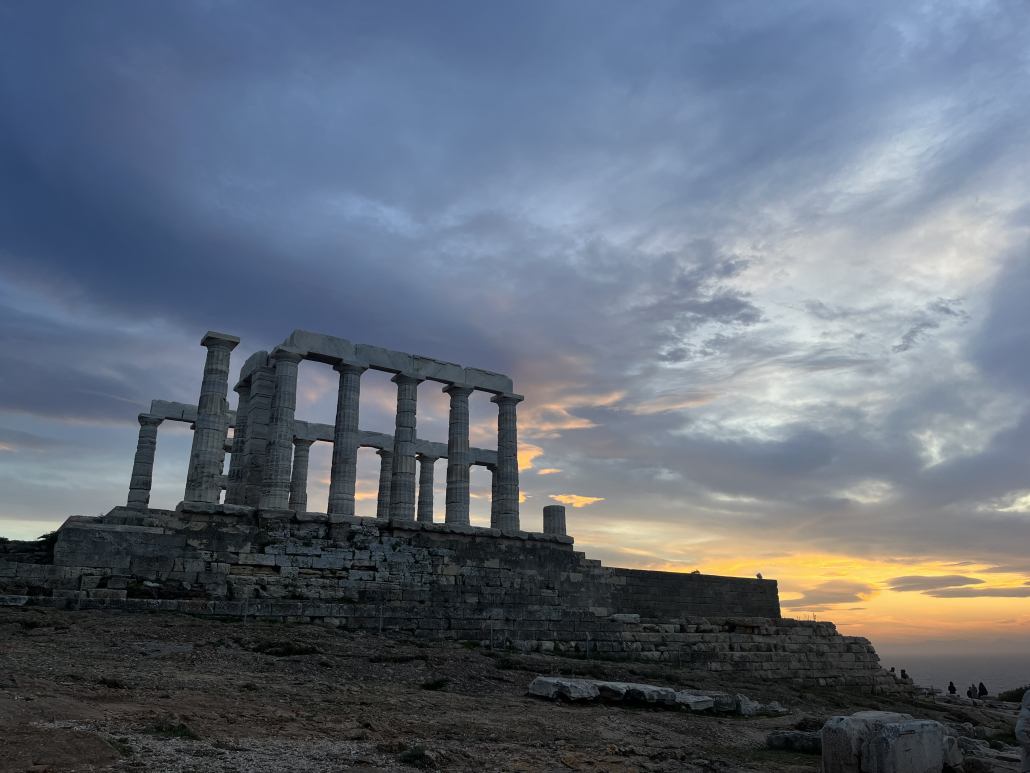
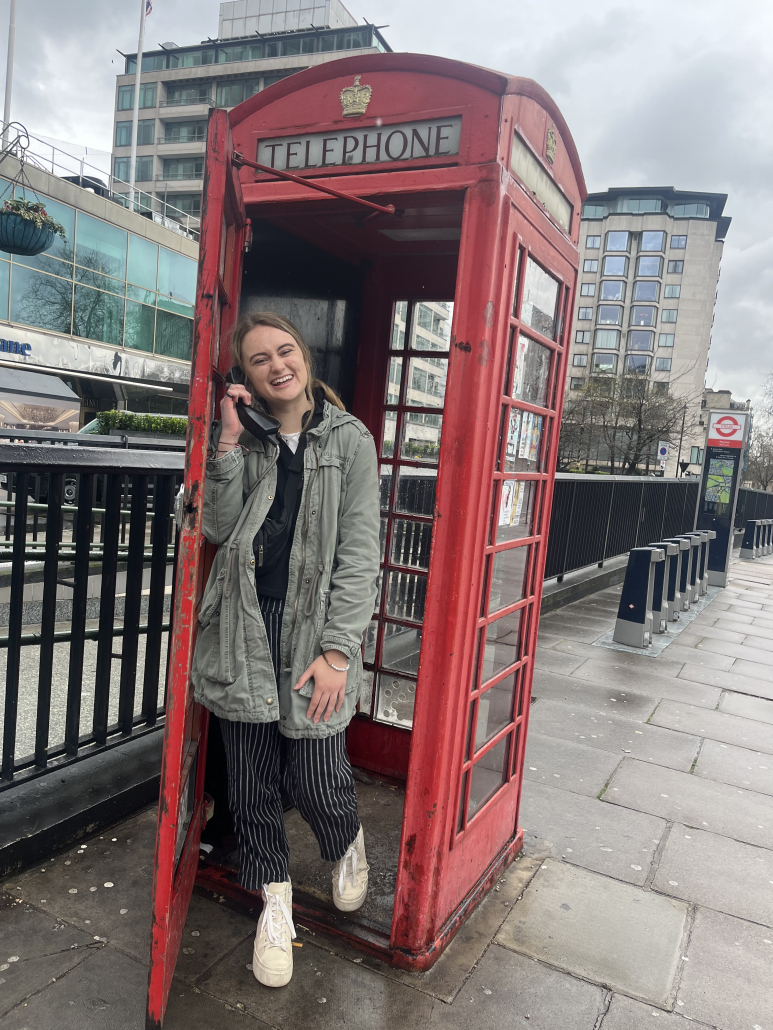
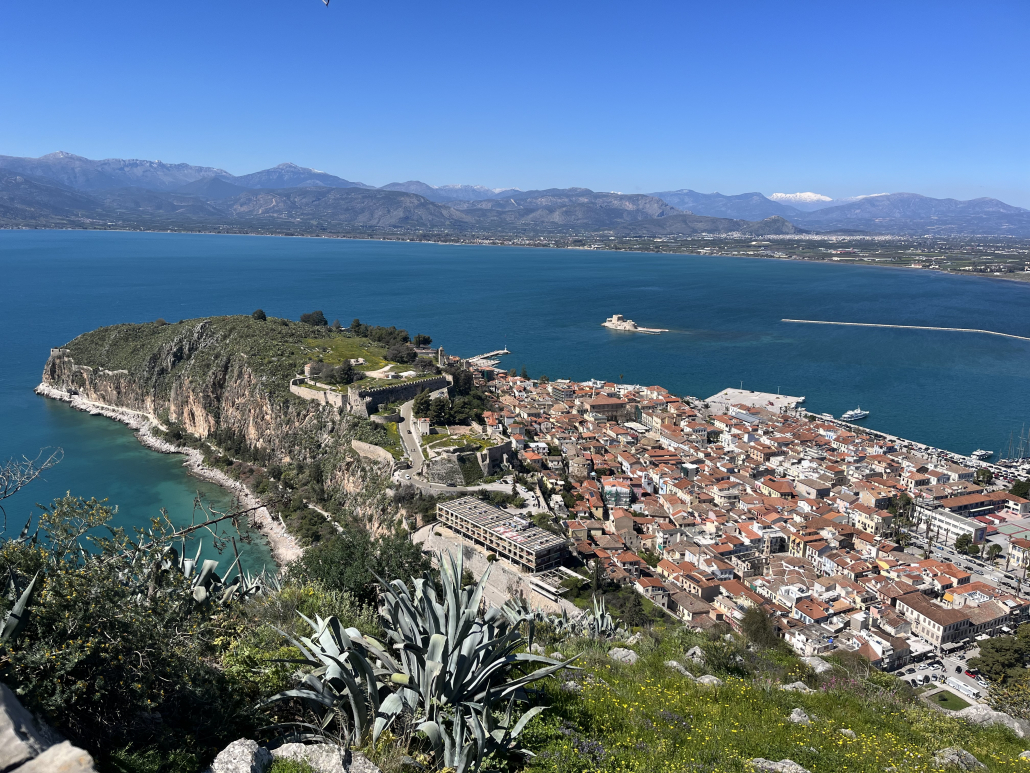
My Friend Athina
Throughout my study abroad experience, I have intentionally sought opportunities to make connections with Greeks. Some of these connections have been one-time conversations. Others have developed to be conversations that happen more frequently. Either way, I have learned more and more about Greek culture from each of these interactions.
My strongest relationship with a Greek is with my friend, Athina, a student in my psychology course. She was born in Athens and had been living here her whole life. I had my first conversation with her on my first day of classes at ACG. We introduced and talked about Giannis, who plays for the Milwaukee Bucks (my one Greece-Wisconsin connection, of course). From then on, we started talking before and after our class each day. Our conversations are never very long because I have a class right after our class together, but they are always nice. We often talk about the content of our psychology class. She is incredibly knowledgeable and passionate about psychology as a whole. It is her major, and her career goal is to become an experimental cognitive psychologist. She also tells me about her other classes, her job as a professor’s assistant in the psychology department, her family, her thoughts about events happening at ACG or in the news, and more. She asks about how my classes are going and where I’ll be traveling next. Recently, we went out for coffee at a local cafe in Agia Paraskevi to have a longer conversation since our chats are always cut short during school. During our talk, I asked many questions about Greek culture, her thoughts about the U.S., and her values and opinions about religion and special education, since these are my areas of study.
Athina describes Greeks as very traditional with strong family values. She has no siblings, which she said is uncommon for Greek families. Many families have several children. However, she has connections to extended family members in and around Athens and other parts of Greece and abroad, whom she stays close to. She said her family gatherings for holidays and weddings are HUGE. She lives with her parents, as do most Greek university students. Greeks tend to live with their parents for a much longer time than Americans do. She also mentioned the welcoming and friendly hospitality that Greeks show to everyone, even foreigners. From my experience in Greece thus far, I can testify to this, as people have been incredibly helpful when I wouldn’t have expected them to be.
According to Athina, Greeks are not very open to change. She said her generation seems to be pushing against the social and political norms of the generations before her. Still, Greek culture’s highly conservative, traditional, and religious values make any change difficult. This is one aspect she envies about the U.S.: Americans can express themselves as they are without much criticism from society. She believes Greeks do not really have freedom of speech because it is often suppressed and unproductive. She also admires how diverse the U.S. is in religion, ethnicity, race, language, etc., whereas Greeks take pride in identifying what only fits under the “Greek” stereotype.
We discussed the Eastern Orthodox Church a bit in our conversation as well. Over 90% of Greeks claim to be Orthodox Christians. Despite her mother being very involved in the church, Athina does not consider herself religious. She said many Greeks her age have participated in Orthodox practices with their families growing up, but they tend to fall away as adults. In Greece, church and state are combined. Therefore, the church has a heavy influence on politics and education. Students attending public schools are required to take Orthodox religion courses. Private schools, like those Athina has attended, are typically not influenced by religion. This is the exact opposite in the U.S.
Lastly, Athina and I talked about special education. As a person on the autism spectrum herself, she is very passionate about helping others with different needs in her future psychology career. She doesn’t like the term “disability” because she believes it is very inaccurate. Instead, all people have abilities that are different. In Greece, public schools do not offer special education. Children with different needs can attend a specialized private school, but it is often very expensive for their parents. Therefore, some children may be homeschooled or not given the opportunity to be educated. Again, this is the opposite in the U.S., where public schools have free and appropriate special education, as written in federal law, but private schools may have very limited special education. Athina also mentioned a lack of qualified teachers in all Greek schools, so I could teach English in Greece if I wanted to. I’ll keep working towards providing much-needed special education in our WELS schools, but who knows what God has in store for me?
(I forgot to ask Athina if she would be willing to take a selfie with me! I’ll see if I can include a picture of her in my next blog.)
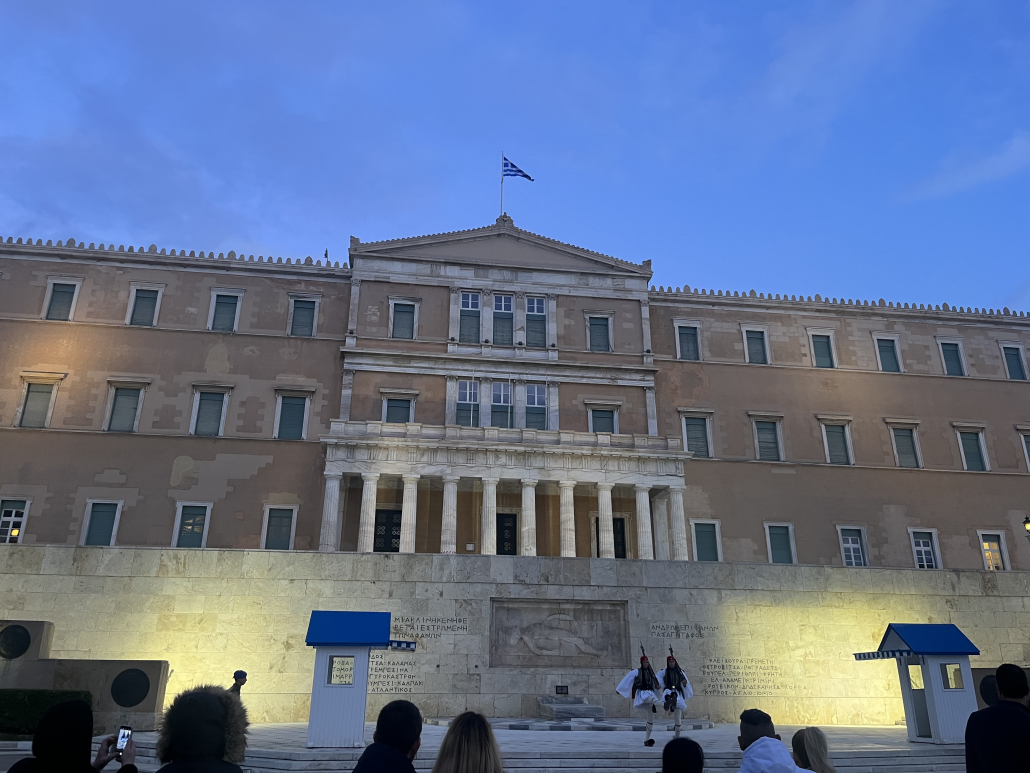
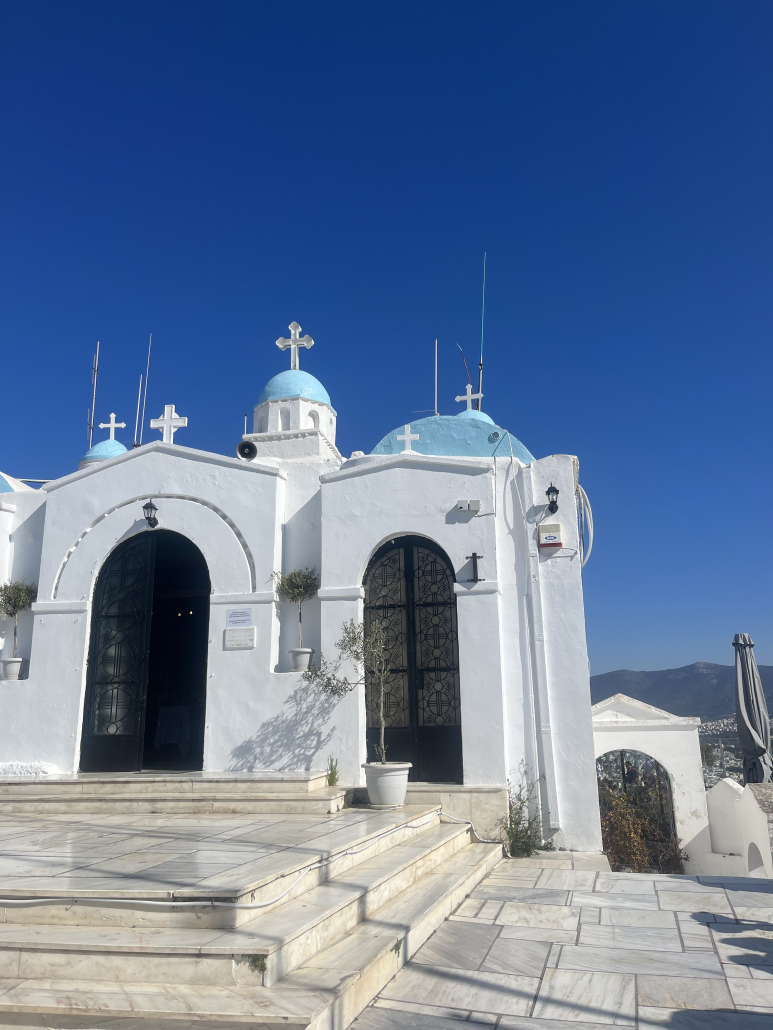
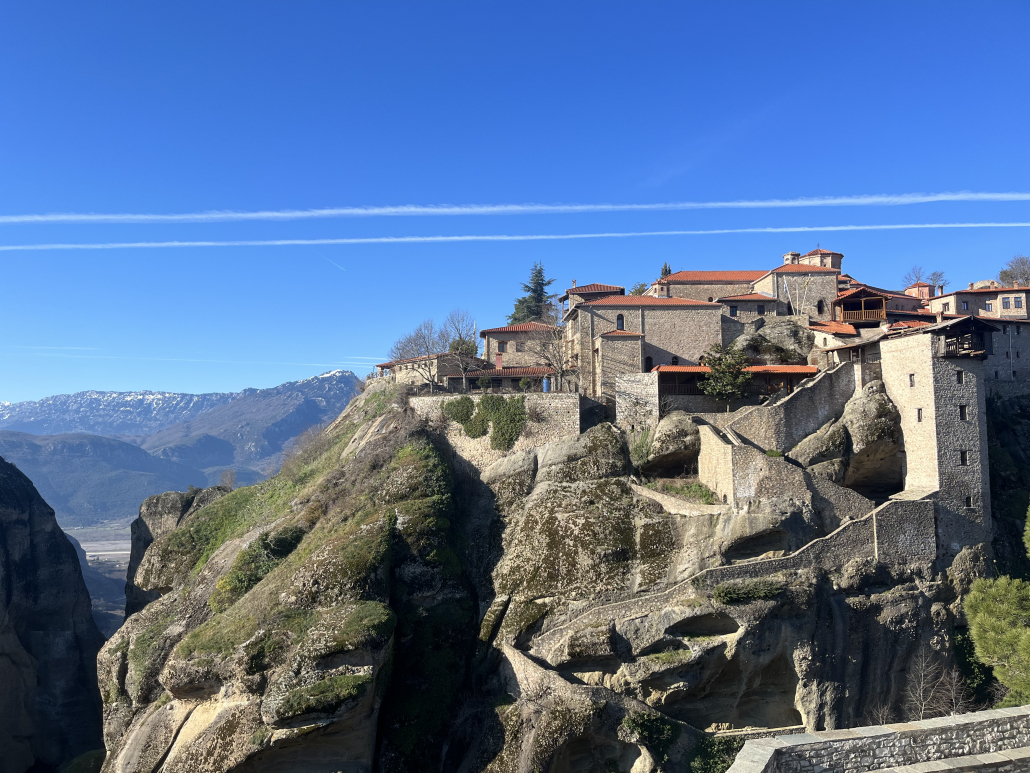
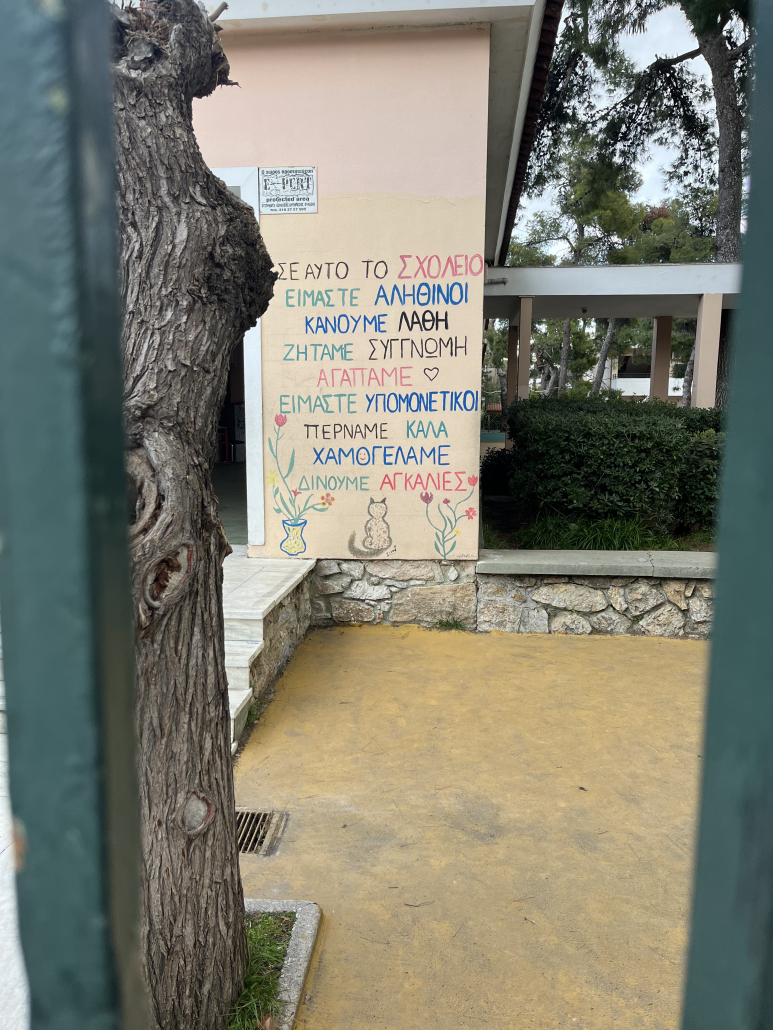
Pictured above is a mural on a wall of a school in my neighborhood, Agia Paraskevi. It reads from top to bottom: “In this school, we are real, we make mistakes, we are sorry, we love, we are patient, we have fun, we smile, and we give hugs.” 🙂
Kairos Over Chronos
The Ancient Greeks had two words for time: chronos and kairos. Chronos is sequential, quantitative time used to measure our minutes, hours, days, months, etc. We think about chronos time when we schedule our days, and in the end, we wish we had more time to do everything we wanted to do. Kairos, on the other hand, is qualitative time that can easily fluctuate. It means that some moments present opportunities that are more meaningful than others. Kairos time is not structured; it is spontaneous and free-flowing. It is the name for those moments in life where it is easy to forget about chronos time because the experiences in the present moment simply cannot be measured. It is the moments where we intentionally pause and think, “Wow, God is so good,” and we take in the rich blessings of simply living in God’s grace.
I recognize my chronos of living in Greece is 65 days as of today. I am halfway through my Greek adventure. Just over two months have passed, and it feels like I’ve been here a long time, but it also seems to be going quickly. I think this is because I’ve been living in kairos. Besides attending my classes, submitting my assessments, and catching my flights, trains, or buses at a specific, planned time, chronos time has become less of a focus for me in Greece. Instead, I am more focused on making the most of the opportunities and experiences God has given me here. So far, I feel incredibly blessed and satisfied with how rich and meaningful my study abroad experience has been. I am growing through challenges, expanding my perspectives through many different and new experiences, and forming relationships and connections with many complex and interesting people. Living more in kairos has brought me so much joy and helps me see God’s hand in every aspect of life.
When I reflect on the goals I made before leaving the U.S., I realize there are several parts to each of the two goals I am working towards. Therefore, I cannot pick one of my expansive goals and say I’ve made the most progress on that particular one. I have seen growth in some areas more than others. My self-confidence and independency have definitely increased. Before arriving in Greece and in my first couple weeks here, I felt very inadequate and almost unprepared to take on this experience because I didn’t have confidence in myself and my abilities to find success independently in a new environment. However, since then, I have felt more confident and comfortable connecting with people from all cultural backgrounds. I have immersed myself in opportunities to learn more about Greek culture. I have found success in navigating public transportation, doing daily living activities in my neighborhood, and planning trips to places in Greece and abroad, even when these things started as struggles. One mini goal I have is to do something new every day. So far, there has only been a handful of days where I haven’t. Overall, I am very happy with my growth in these areas.
There are a few improvements I would like to make in the second half of my experience. My first improvement is focusing intentionally on forming concrete habits I can carry on in my life after studying abroad. One of my initial goals was organizing a routine for being in God’s Word and self-care. I feel I started strong in these areas during my first few weeks. However, as time passed, I found myself fitting these things around the travel days, new experiences, and course assessments. I want to focus on daily spending time with God in his Word and prayer in the morning before my classes instead of only listening to a sermon or devotion from home as I commute, run, or do apartment chores. Also, my workout schedule has not been consistent. I’ve started to run on the mountain trails and in the neighborhoods with a friend, but it has been very sporadic. We’ve recently made it our goal to stick to a schedule for running and participating in a yoga class at ACG afterward. My writing in my reflection journal has also been slacking recently. I have started bringing my journal everywhere so I can write during traveling and short downtimes. It’s challenging to find a time to intentionally reflect when all I want to do is experience, experience, experience. Finally, one of my goals is to travel around Greece and Europe alone. I have only done one solo excursion to downtown Athens so far, and that’s the extent of the progress on this goal. As of now, I don’t plan on traveling to other cities in Europe alone because I’ve decided I’d like to spend most of my time in Greece. However, I would like to make more solo day trips to places I have yet to explore in Greece.
The last area I would like to reflect on is adapting to Greek culture. One of the biggest culture shocks for me, initially, was timeliness. It’s uncommon to attend any event before the start time, whether it is class, an activity, or meeting a friend for coffee. From my experience, many Greeks show up 10-15 minutes late, which is normal. This was bizarre and a bit frustrating initially, but I’ve come to accept it. Also, public transportation is not always reliable. Recently, there have been several strikes to protest needed advancements in the Hellenic train system ever since the devastating, fatal tragedy of a passenger train colliding with a cargo train in northern Greece a couple of weeks ago. There have been times when I’ve wanted to take the metro or suburban railway, but an unforeseen strike had started, and I had to find another way. Traveling to downtown Athens from Agia Paraskevi sometimes takes an hour or longer. I have come to understand and expect traveling by public transportation to take a long time. Eating at restaurants or sipping coffee at cafes are also several hours-long events. This part of Greek culture I have really appreciated. It’s about stepping into kairos from chronos and enjoying your company with meaningful conversation and good laughs.
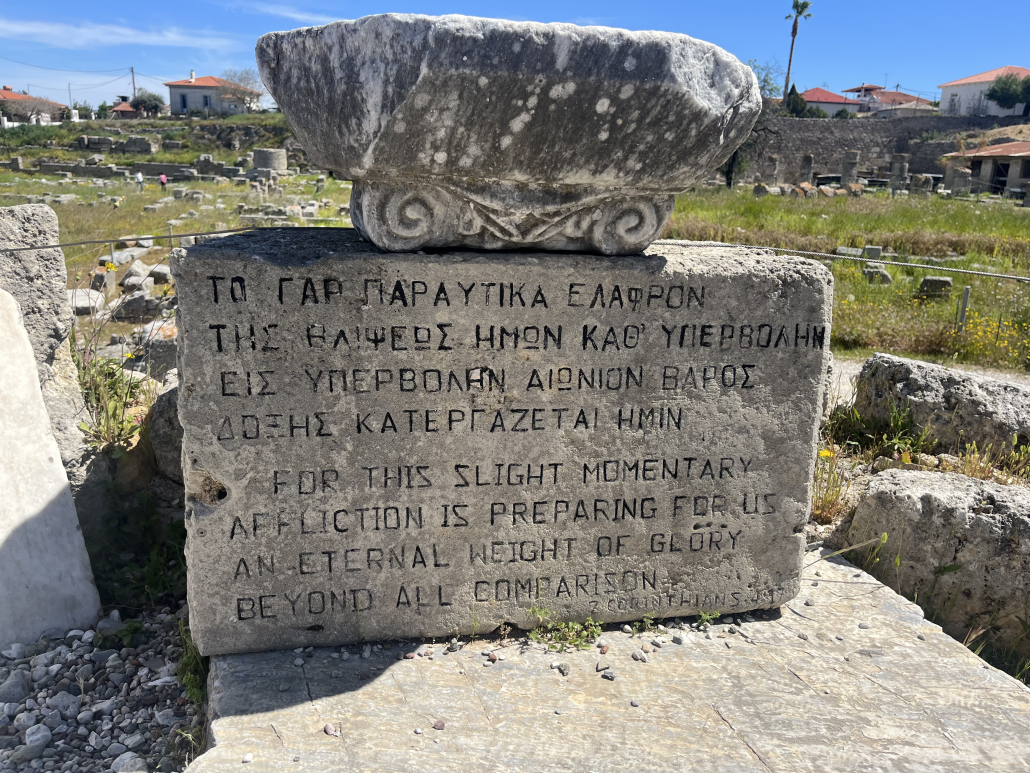
For the second half of my adventure, I plan to keep measuring my time in kairos rather than chronos; in meaningful experiences and connections with others rather than the things on my to-do list; in the moments where I can only pause and say “God is so good” rather than forgetting to thank and praise him for the countless blessings he’s given me. “Now to him who is able to do immeasurably more than all we ask or imagine, according to his power that is at work within us, to him be the glory!” (Ephesians 3:20-21).